Safe, resilient mobility systems through intelligent tram and metro catenary monitoring
Basic project details
- Implementation period: 1st February 2026 – 31st January 2028
- Project partners: PANTOhealth GmbH (DE), City of Istanbul: Metro Istanbul (TR), Konya Metropolitan Municipality (TR), DKV Debrecen Public Transport Company (HU), Czech Technical University in Prague (CZ), Ferrocarrils de la Generalitat de Catalunya (FGC), the regional railway company of Catalonia
- Technology provider: PANTOhealth GmbH (DE)
- Project leader: Technical University of Berlin (DE)
- Pilot cities: City of Istanbul: Metro Istanbul (TR), Konya Metropolitan Municipality (TR), DKV Debrecen Public Transport Company (HU), Czech Technical University in Prague (CZ)
- Funded by EIT Urban Mobility, an initiative of the European Institute of Innovation and Technology (EIT), a body of the European Union.

Purpose
PantoTech pilot introduces an AI-driven, predictive maintenance platform tailored to urban rail electrification.
Implementation
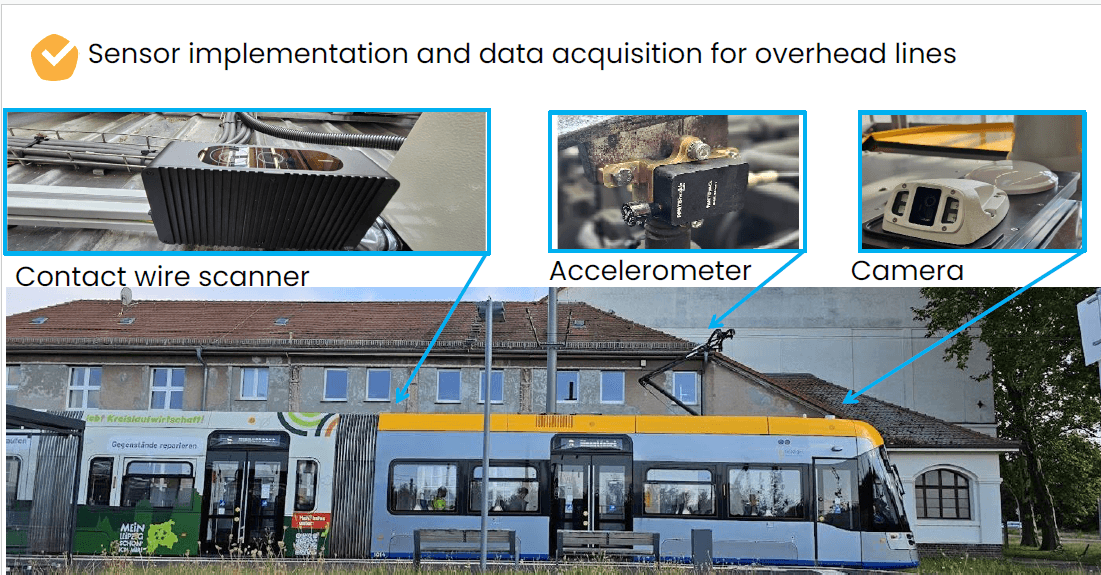
The project will integrate advanced vibration analysis with real-time monitoring of the three safety-critical OCS parameters required by light rail operators: height, zigzag, and wire thickness. By transforming raw operational data into actionable insights, PantoTech enables infrastructure managers to detect high-risk faults early, prioritise interventions, and shift decisively from reactive to proactive asset management.
The solution’s predictive monitoring reduces manual inspections, prevents service delays, and improves working conditions for maintenance crews. In the long term, cities will benefit from safer and more resilient public transport networks, extended infrastructure lifecycles, and lower operational costs. Beyond operational benefits, PantoTech supports more reliable tram and metro services, encouraging modal shift away from private cars, reducing congestion and emissions.
Milestones
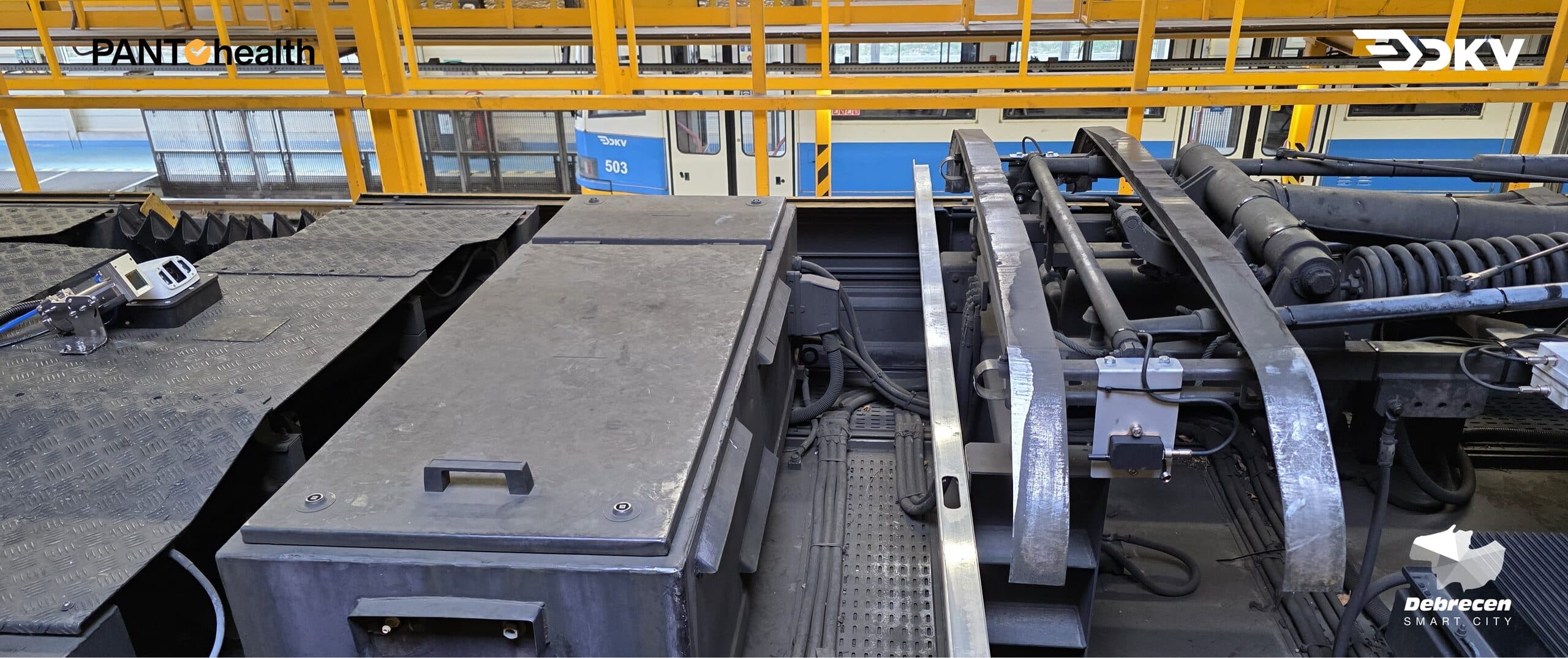
At the end of August 2026 we commissioned PantoHealth’s digital monitoring system, marking the start of continuous observation and analysis of the interaction between the pantographs of the trams and the overhead contact line network.
Drawing on technical data gathered while the vehicle is in service, the system supports the early detection of anomalies, a more accurate assessment of maintenance needs, and the prevention of failures.
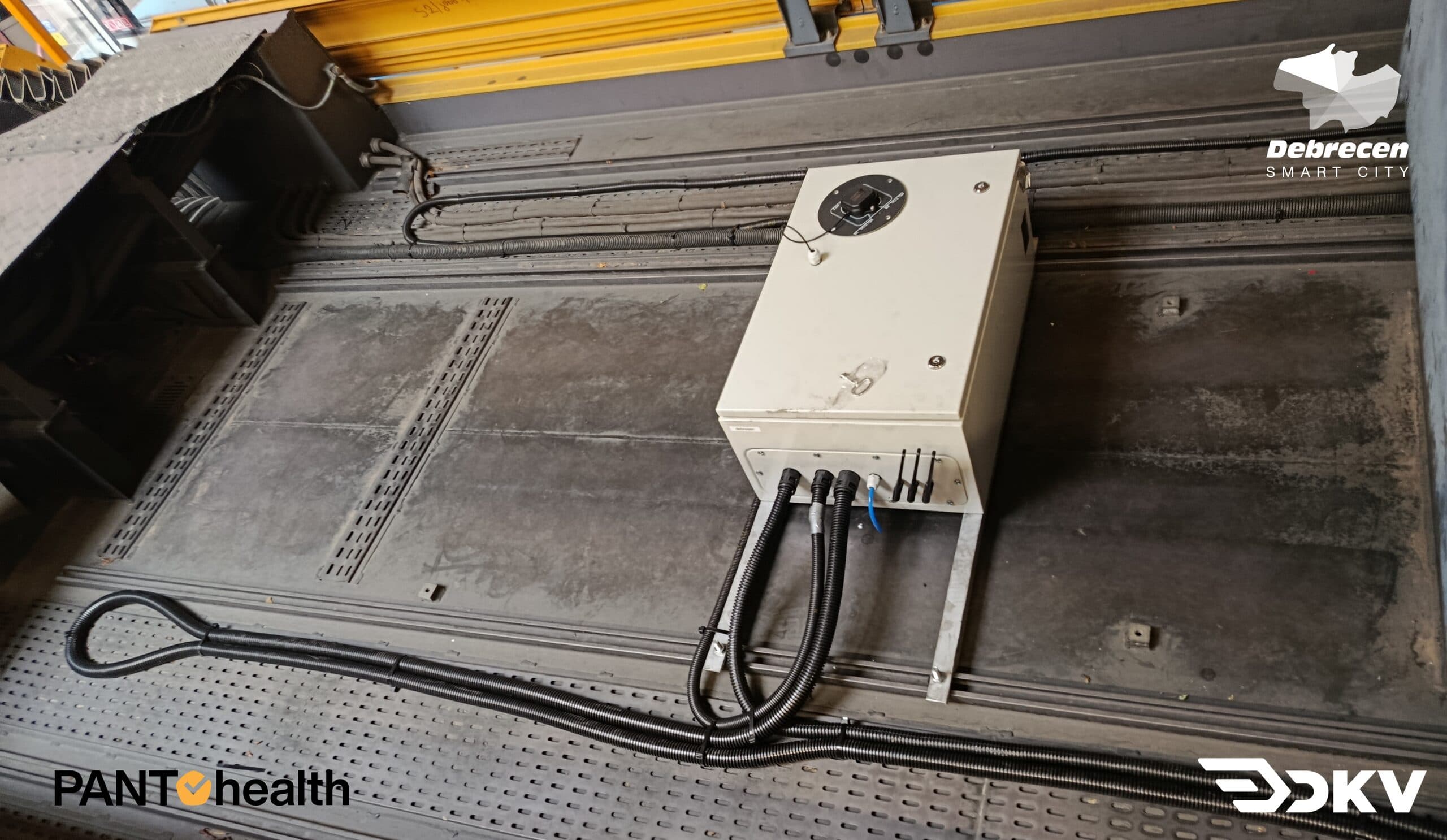
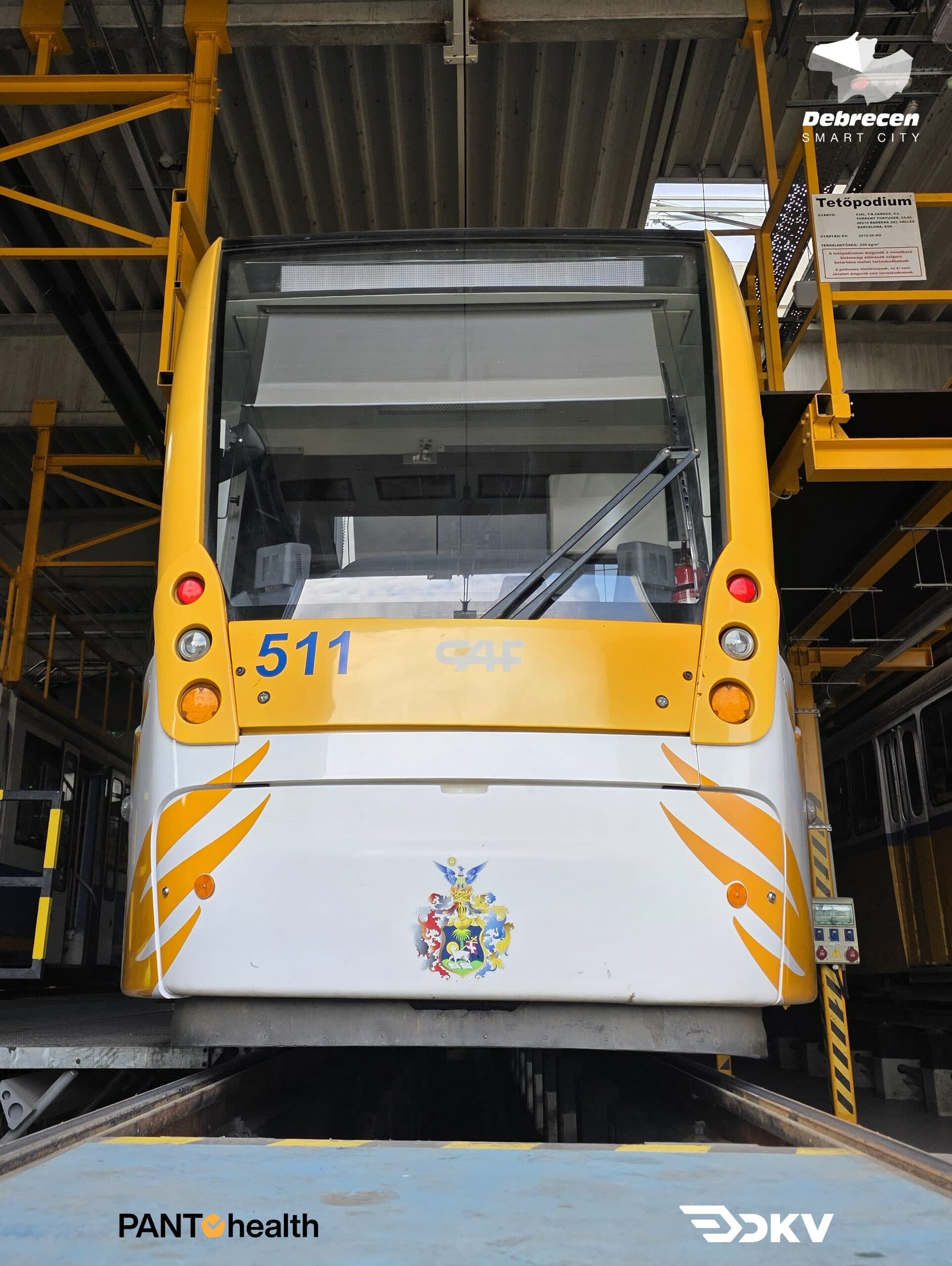
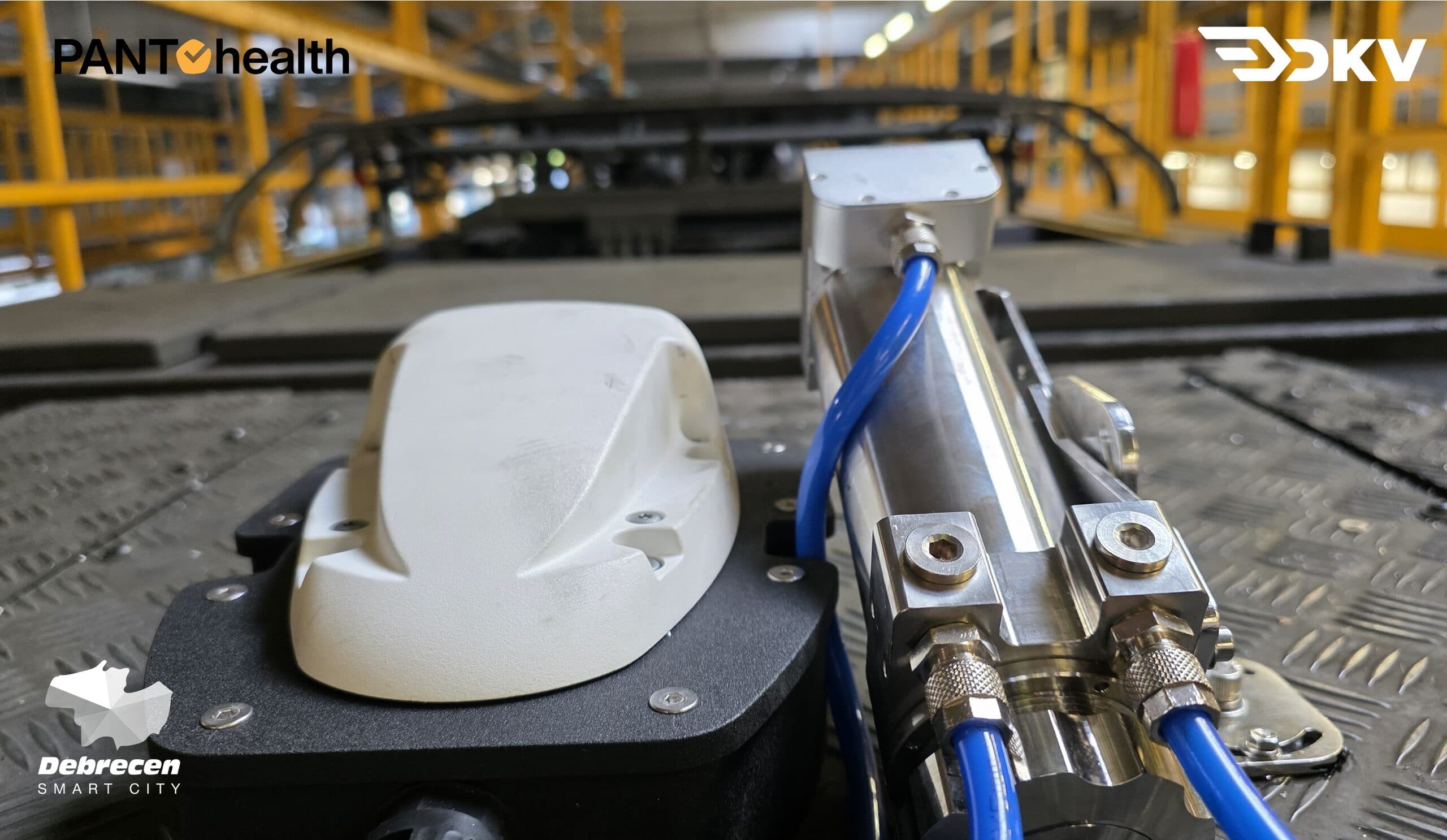
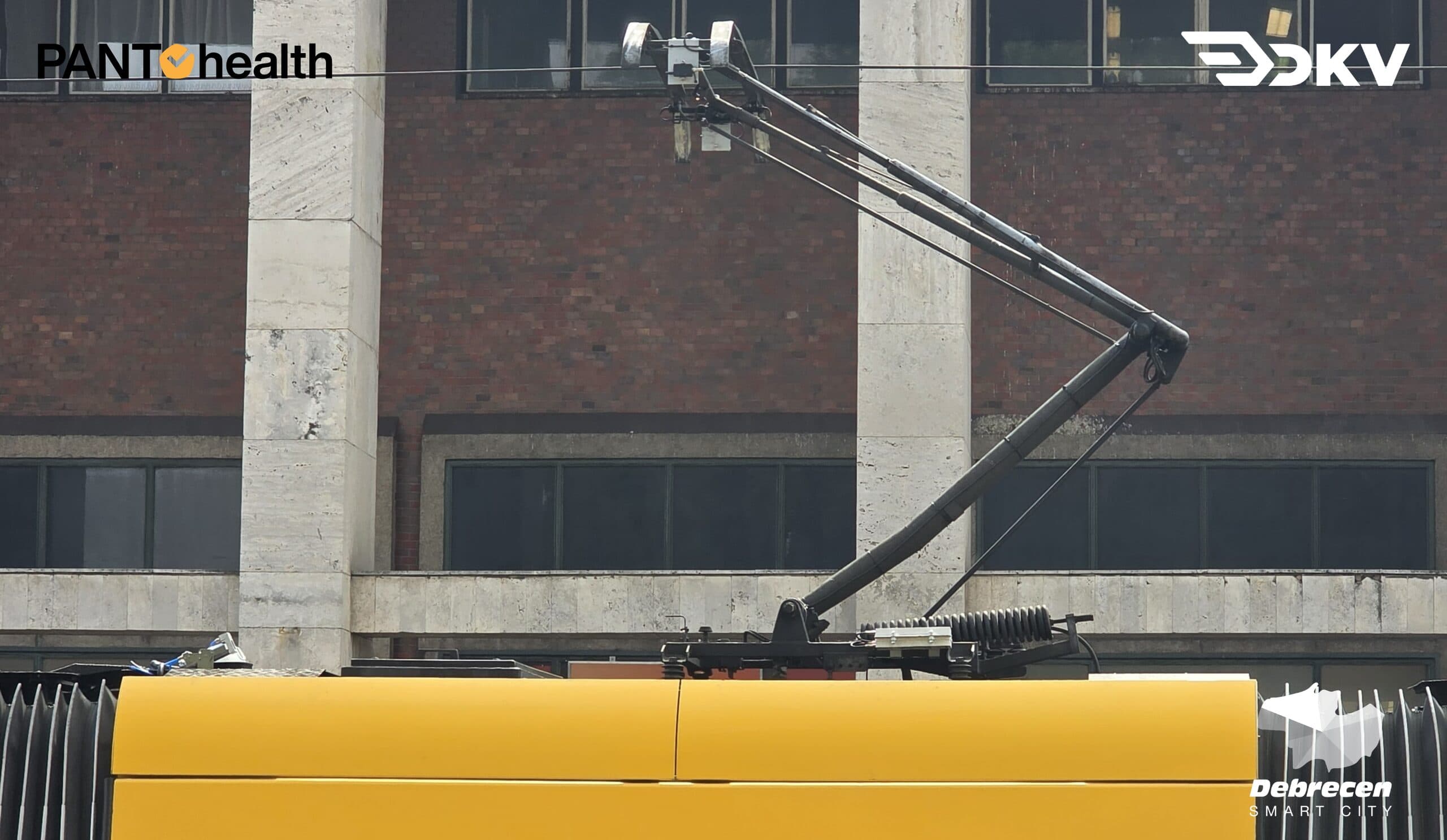
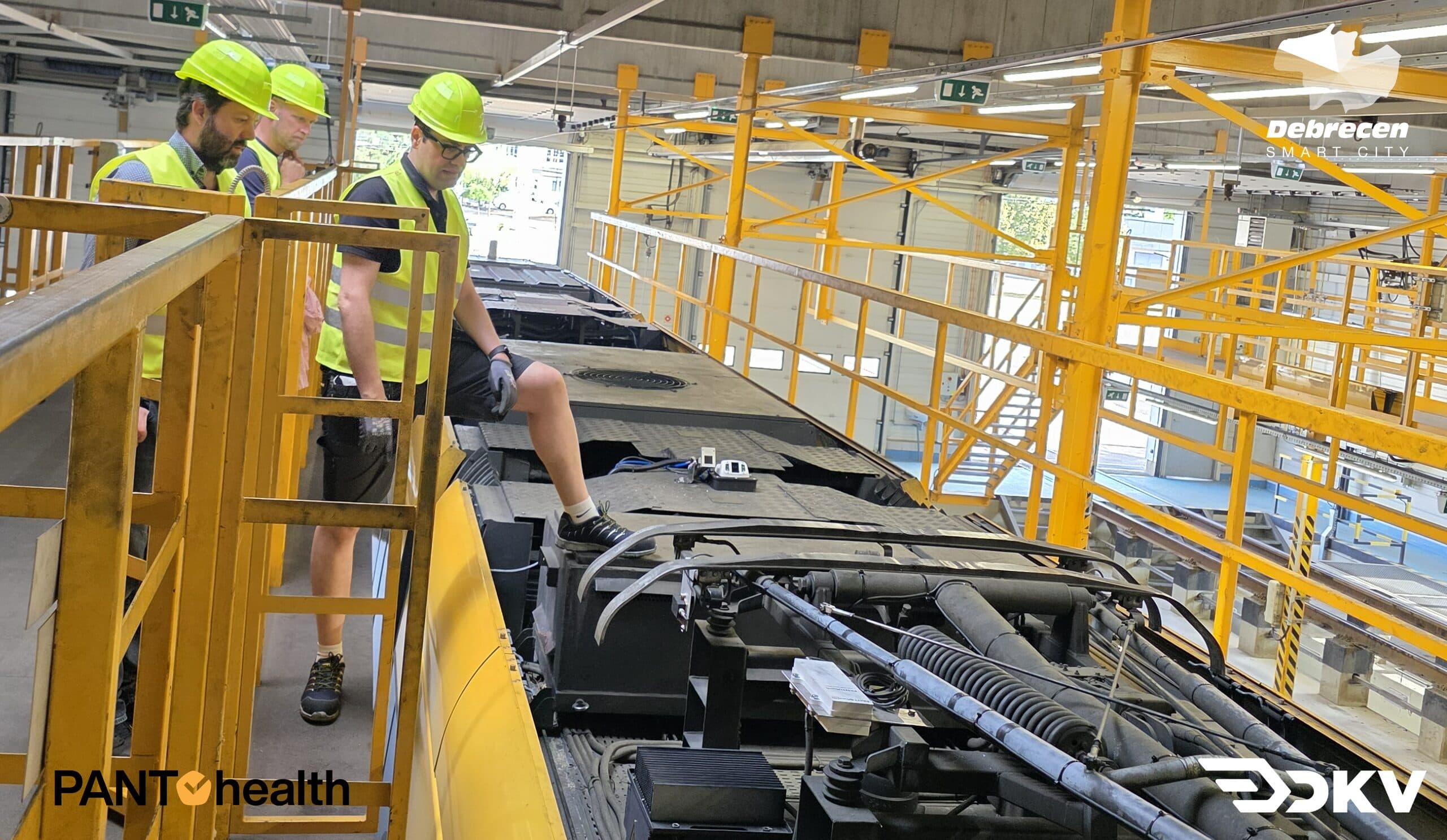
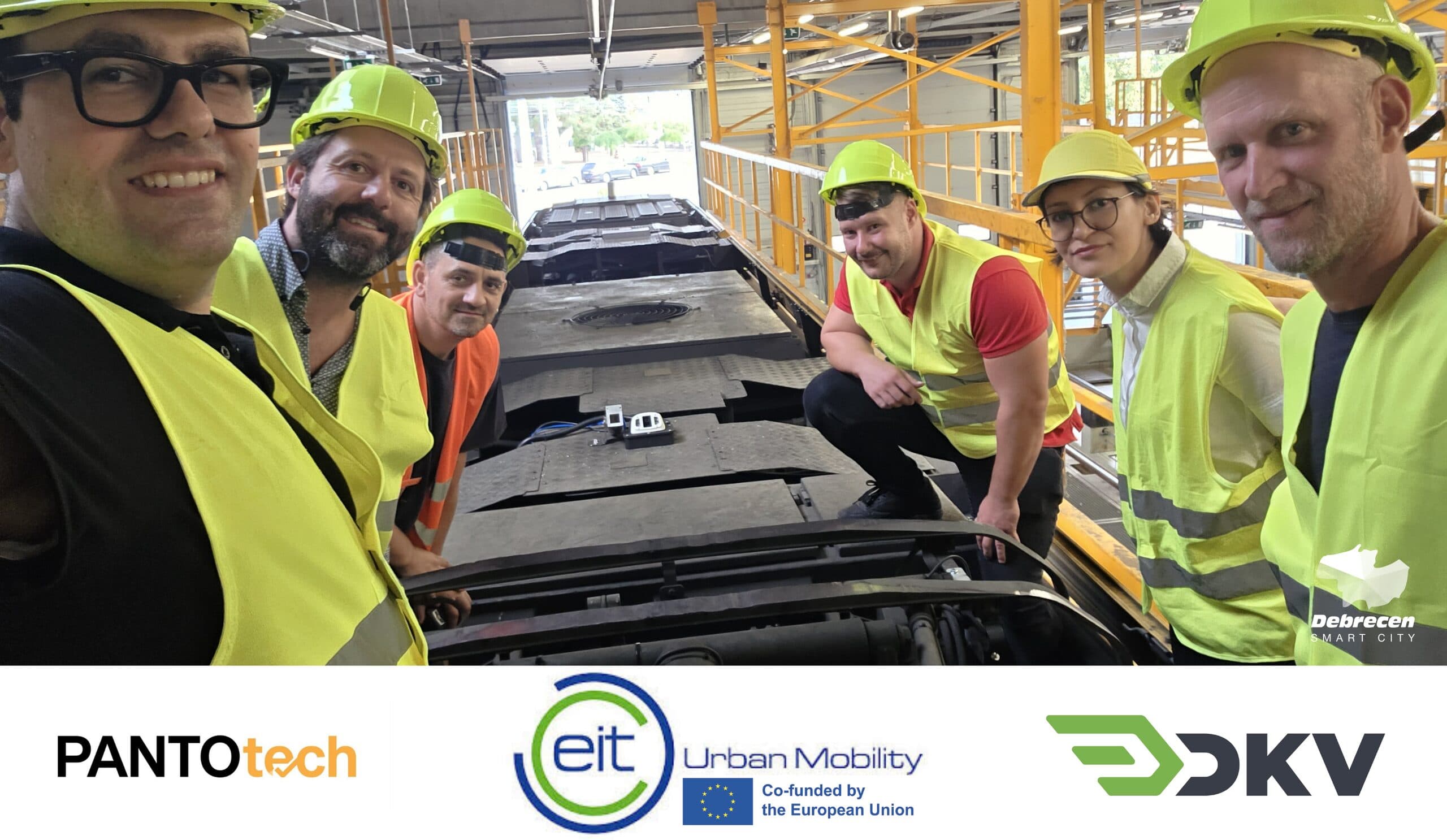
Experts from PantoHealth and technical staff from DKV Zrt. jointly carried out the installation, integration and technical inspection of the system on tram number 511, a CAF Urbos 3. Once this work was completed, the PantoTech system successfully entered operation. Checks following the tram’s first days in passenger service confirm that the devices are running reliably and that the data collected by the system is transmitted to the digital platform without error.
This is an important milestone for the project, as the next phase will shift the focus onto analysing and evaluating data gathered under real operating conditions.
Supporting data-driven and predictive maintenance
In the longer term, the data-driven approach established in this way can contribute to optimising maintenance processes, reducing the number of unplanned interventions, and improving the availability of rail-based public transport systems.